 Click To Email
 M-F: 8:00am - 9:00pm

Why Older Homes in Denver Require a Different Approach to Remodeling

Much of Denver’s housing was built long before current construction practices became standard. Just walk through Baker, Capitol Hill, or Washington Park and you will see homes that go back well over a century. As you get into the suburbs, you will see post-war ranches, then split-level homes from the 1970s, and so on.
When we inspect one of these homes, we are looking at how the home was built, how it was previously modified, and what that means for your construction project. Remodeling an older home can be a different process altogether.
From home remodeling to custom home construction in Denver, Arise Constructions is here to help. Call us for a complimentary consultation and estimate today.
Not All “Older Homes” Are the Same in the Denver Area
Pre-1940 Homes in Central Denver
In neighborhoods like Five Points, Baker, and Capitol Hill, we often work on homes built in the early 1900s. A lot of these are brick structures with plaster walls and very little insulation. The layouts tend to break the home into smaller rooms, and the kitchen is usually tucked away from the main living areas.
When we walk through one of these homes with a client, we usually spend time talking about what can realistically change. People often want to open things up, but with brick and older structural systems, we cannot just start removing walls. We have to look at how the house carries weight and figure out what changes make sense without creating new problems.
Post-War Homes (1945–1965)
After World War II, Denver expanded quickly, and we see a lot of ranch-style homes from that era in places like Englewood, Lakewood, and parts of Arvada. These homes are typically wood-framed and more straightforward to work with structurally.
That said, we almost always find systems that need attention. Electrical panels are often undersized, wiring may not support modern loads, and plumbing lines are sometimes nearing the end of their life. So even if the layout is easier to change, there is still a good amount of behind-the-scenes work that needs to happen.
1970s to 1980s Expansion into the Suburbs
Homes from the 1970s and 1980s bring a different set of challenges. We see a lot of split-level and bi-level layouts where the space feels broken up. Ceiling heights can shift from one level to another, and the kitchen may sit in a part of the home that does not connect well to anything else. Sometimes the best improvement in these types of houses is not making it bigger; adjusting how rooms connect can make a bigger difference than adding square footage.
Structural Differences That Change the Scope of Work
Load-Bearing Walls and Masonry Construction
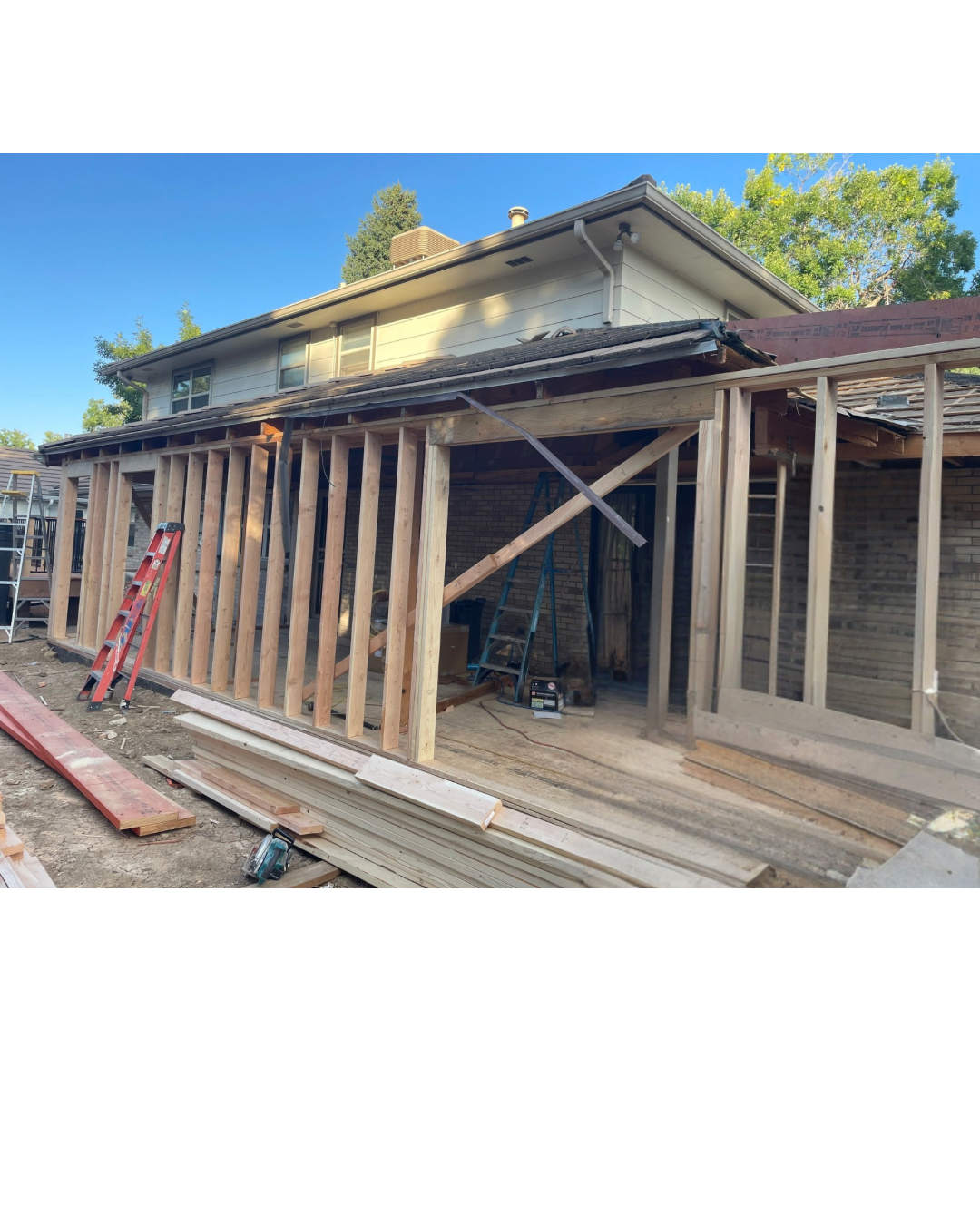
When we take on a project that involves opening up a kitchen or removing walls, we slow down and really look at how the structure works. In older brick homes, exterior walls are almost always structural, and interior walls can carry more load than people expect.
When we undertake a project like this, we usually need to size the beams and install them correctly, and we have to transfer the load without creating new issues somewhere else in the structure. If that is not handled well, it can turn into a domino effect of structural problems. That is why we bring engineering into the process early instead of treating it like an afterthought.
Foundation Types and Movement Over Time
We also pay close attention to the foundation. A lot of older homes have been settling for decades. Some sit on early concrete systems that do not behave like modern foundations, and others have dealt with moisture over time.
When we tie new work into that existing structure, we have to account for what has already happened. If we ignore that and just build on top of it, the new work can end up moving differently than the original house.
Framing Methods That Limit Modern Changes
Framing is another area where older homes can surprise people. In some cases, we are working with balloon framing, where wall studs run continuously from the foundation to the roof. In others, the roof and ceiling structure were never designed to be altered.
When a client asks about raising ceilings or creating large open spans, we walk through what that really involves. Sometimes it is possible, but it is rarely as simple as it looks on paper.
Outdated Systems You Have to Plan Around
Electrical Systems That No Longer Match Today’s Use
When we open up walls in older homes, electrical is one of the first things we look at. Many of these houses were not built to handle the number of appliances and devices people use today.
We often end up upgrading panels, running new circuits, and bringing everything up to code. It is not the most visible part of the project, but it is one of the most important.
Plumbing Materials and Layout Constraints
Plumbing tells a similar story. We still run into galvanized steel and older cast iron lines that have been in place for decades. Over time, those materials break down, and they do not always support modern layouts.
If we are moving a kitchen or reworking a bathroom, we look closely at how the plumbing is routed and what needs to change. In some cases, it makes more sense to replace sections of the system rather than build around it.
HVAC and Ventilation Challenges
HVAC can also be a limiting factor. Some older homes have little to no ductwork, while others have systems that do not distribute air evenly.
When we remodel, we look for ways to improve airflow and ventilation, especially in kitchens. That might mean adding duct runs, upgrading equipment, or reworking parts of the system to better match how the home is used now.
Hazardous Materials and Environmental Concerns
Asbestos in Common Building Materials
We come across asbestos more often than people expect, especially in homes built or updated before the 1980s. It can be in insulation, tile, adhesives, and other materials. When we suspect it, we stop and test. If it is there, we bring in the right team to handle it properly. It does add time and cost, but it is part of doing the job safely.
Lead Paint in Pre-1978 Homes
Lead paint is another common issue. We see it on trim, windows, doors, and older wall surfaces. When we disturb those areas, we take steps to contain the work and protect the home.
This is one of those things that does not show up in design photos, but it matters during construction.
Other Hidden Conditions
Once we start opening walls, we sometimes find insulation that is not doing much anymore, air leaks that affect comfort, or signs of past moisture problems. These are the kinds of issues that need to be addressed before we move forward, even if they were not part of the original plan.
Layout Challenges in Older Homes
Smaller Kitchens and Closed Floor Plans
In many older homes, the kitchen was never meant to be the center of the house. It was a separate workspace, often smaller and closed off.
When we remodel these kitchens, we usually talk through how much change the client really wants. Opening up the space can make a big difference, but it often requires structural work and careful planning.
Tight Transitions and Split-Level Layouts
In split-level homes, the challenge is usually how the spaces connect. Stairs, level changes, and narrow openings can make the home feel disjointed.
We spend time thinking through how people move through the house and where small changes can improve that flow.
Previous Additions That Do Not Align
We also run into homes that have been added onto over the years. Sometimes those additions do not line up well with the original structure.
When that happens, we look at how to bring everything back together so the home feels consistent instead of pieced together.
How Building Codes and Standards Have Changed
Energy and Insulation Expectations
Today’s homes are built with much tighter envelopes and better insulation. Older homes usually fall short in those areas.
When we open up walls or ceilings, we take the opportunity to improve insulation and address air sealing where it makes sense.
Structural and Safety Requirements
Building codes have also changed quite a bit. Things like stair design, guardrails, and egress requirements are more clearly defined now.
When we remodel, we bring those elements up to current standards where required.
Permitting in Denver
Permitting in Denver has become more detailed over time, especially when structural work, layout changes, or system upgrades are involved. Plans often need to show framing changes, load paths, electrical updates, and mechanical adjustments in a clear and organized way. If we are removing walls, adding square footage, or reworking major systems, inspections will follow at multiple stages. We plan for this early so it does not slow the project down. Handling permits up front helps keep the schedule realistic and avoids last-minute revisions once construction is already underway.
Call Arise Constructions About Your Remodeling Project
We remodel homes in Cherry Creek, Highlands Ranch, and all throughout the Denver area. We would be happy to speak with you about design, construction, or even feasibility. Whether you need a complete kitchen remodel or home addition, get in touch.