 Click To Email
 M-F: 8:00am - 9:00pm

How Long Does a Home Addition Really Take in Denver?

If you ask any construction company in Denver about how long a home addition takes, you’ll probably get a range. That’s not because anyone is being vague. It’s because the timeline depends on several moving parts, and most of them have very little to do with how quickly a crew can frame walls or install drywall.
Construction is only one portion of the process. Before that, there’s zoning review, engineering, permitting, and inspections. Each of those steps has its own pace, and they don’t always move in a straight line.
For most homeowners, a realistic expectation falls somewhere between three and eight months from the initial planning conversation to final inspection. Some projects wrap up on the shorter end, while others take longer depending on scope and complexity. Once you understand how the phases fit together, that range starts to make more sense.
For a quote on home remodeling in Denver, kitchen remodeling, or a full custom home, contact Arise Constructions. We’d love to help you.
Quick Guide: Home Addition Timeline Overview in Denver
| Phase | What It Includes | Typical Timeline |
|---|---|---|
Planning & Design | Site visit, feasibility review, rough design, budget alignment | 2–6 weeks |
Engineering & Permitting | Structural plans, zoning review, permit submission, revisions | 4–12+ weeks |
Construction | Demo, foundation, framing, rough trades, finishes | 8–16 weeks |
Final Inspections | Final approvals, corrections if needed, project closeout | 1–3 weeks |
Total Project Range | Full process from initial planning through final inspection | 3–8+ months |
The Four Phases of a Home Addition Timeline
The easiest way to understand the schedule is to look at how the project unfolds step by step. When everything is grouped into phases, you can see where time is actually spent and why the early part of the project often feels slower than expected.
Phase 1: Planning, Design, and Budget Alignment
This is where the project begins to take shape, and it has a bigger impact on the timeline than most people expect.
It usually starts with a site visit and a conversation about what you want to build. From there, the discussion shifts toward feasibility. Can the addition fit within zoning limits? Will the existing structure support it without major reinforcement? Does the budget line up with the scope, or are adjustments needed before moving forward?
At this stage, you are not locking in every finish or fixture. The goal is to confirm that the project works in a practical sense before investing time in full drawings and engineering.
A smaller, straightforward addition might move through this phase in a couple of weeks. If the design evolves or decisions take longer, it can stretch into a month or more without much difficulty.
Phase 2: Engineering and Permitting
This is the part of the timeline that tends to surprise people.
Once the concept is defined, drawings are developed and sent for structural engineering. Plans are created for foundations, framing, roof loads, and any structural changes. Those plans are then submitted to the city for review.
In Denver, it is common for the city to respond with comments that require revisions. That might involve zoning adjustments, structural clarifications, or changes related to site conditions. Sometimes it is a single round of feedback. Other times it takes a few passes before everything lines up.
A relatively simple project might move through this phase in four to six weeks. More involved additions, especially second-story work, often take eight to twelve weeks or longer.
It can feel like the project is stalled during this stage because there is no visible progress on site. In reality, this is where most of the groundwork is being set.
Phase 3: Site Prep and Construction
Once permits are approved, work begins on the property. This is the phase most people picture, but even here, the process unfolds in stages.
Demolition and Site Preparation
If any existing structure needs to be removed, that happens first. Access points are established, utilities are identified, and the site is prepared for excavation. In some cases, erosion control measures are installed before digging begins.
This stage is usually quick, often taking a few days, but it sets the tone for everything that follows.
Foundation Work
Excavation comes next. In Denver, that typically means digging below frost depth, which is often in the 30 to 36 inch range. Soil conditions can influence how the foundation is built, particularly in areas with expansive clay.
Once excavation is complete, footings are formed and inspected before concrete is poured. If something does not match the approved plans, it has to be corrected before moving forward, which can add time.
Framing and Structural Work
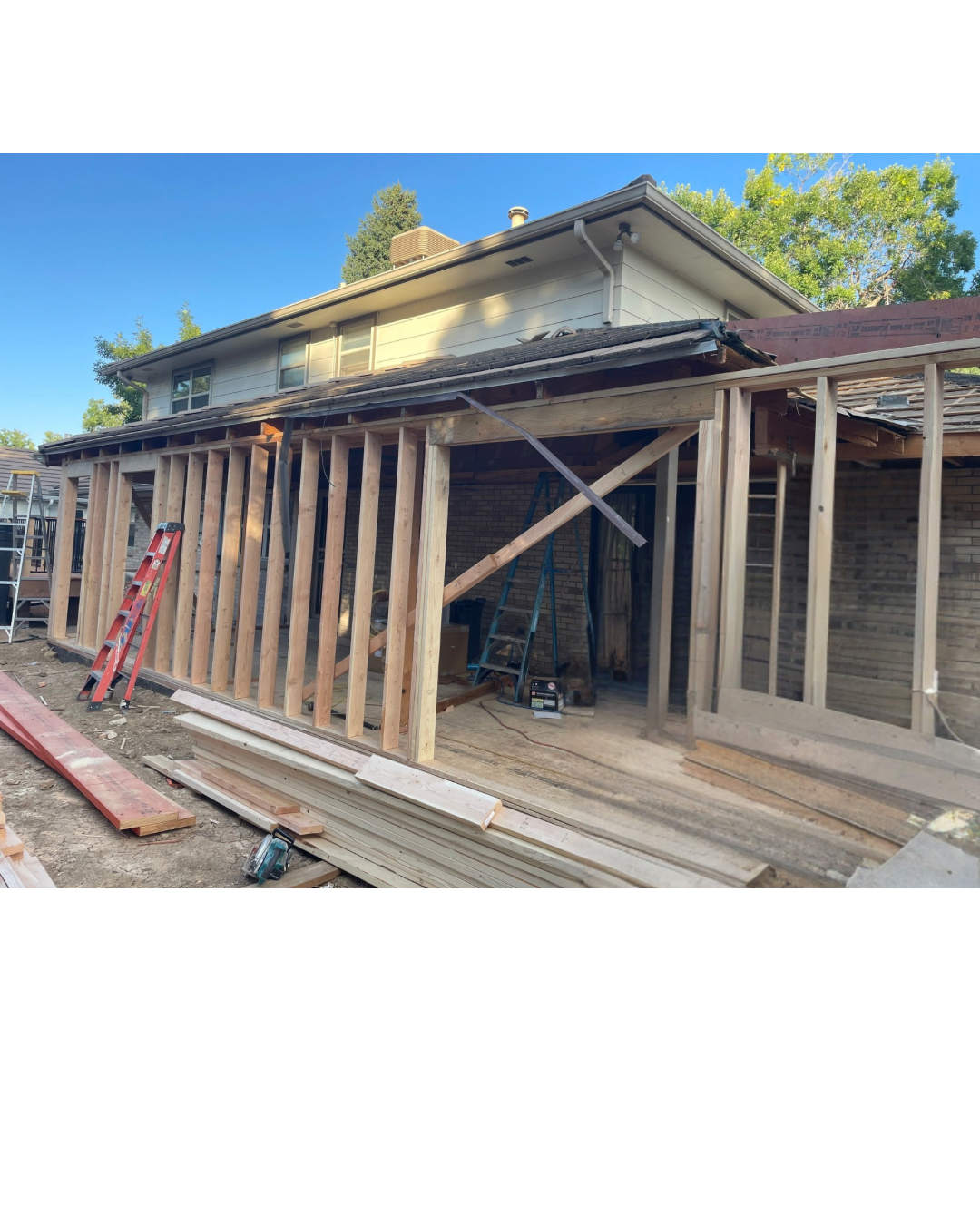
After the foundation is in place, framing begins. Walls go up, rooflines are tied in, and structural elements are installed.
This part of the project often moves quickly when the structure is straightforward. It tends to slow down when tying into older construction or when structural modifications require extra coordination.
Rough Trades
Electrical, plumbing, and HVAC systems are installed after framing. Each system must pass inspection before it can be covered by insulation or drywall.
Timing matters here. If an inspection is missed or delayed, the next step cannot proceed, which can create gaps in the schedule.
Insulation and Interior Work
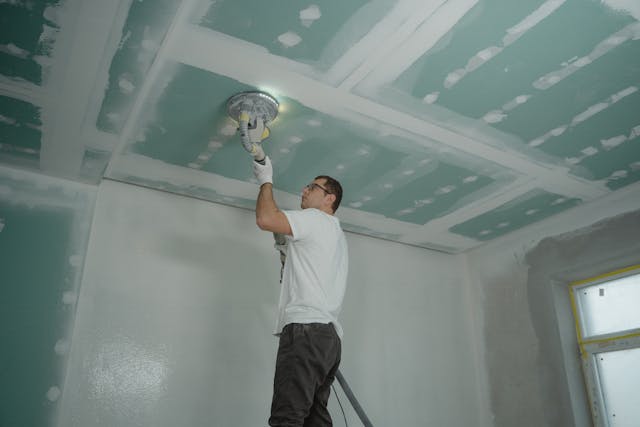
Once rough inspections are approved, insulation is installed to meet energy code requirements. Drywall follows, along with interior finishes such as flooring, trim, and cabinetry.
From start to finish, construction for a typical addition usually falls in the range of eight to sixteen weeks, depending on size and complexity.
Phase 4: Final Inspections and Closeout
The final phase tends to be shorter, but it still requires attention.
Inspectors verify that the work matches approved plans and that all systems are functioning properly. If anything needs adjustment, it must be addressed before final approval is granted.
This portion of the timeline typically takes one to three weeks.
What Actually Slows Down a Home Addition in Denver
Not every delay is unexpected. Many of the factors that slow a project down are built into the process itself.
Permit Review Delays
When drawings are incomplete or zoning issues come up, revisions are required. Each round of feedback adds time before construction can begin.
Structural Complexity
Second-story additions, large openings, and foundation changes introduce additional engineering requirements. That extra coordination tends to extend both permitting and construction timelines.
Soil and Foundation Conditions
Expansive clay soils can affect how foundations are built. If site conditions differ from what was expected, adjustments may be needed before concrete is placed.
Weather and Seasonality
Winter conditions in Denver can slow things down. Cold temperatures affect concrete curing, and snow or freeze-thaw cycles can delay excavation and scheduling.
Decision Delays
Material selections and layout changes can hold up progress. When decisions pause, the schedule often does the same.
What Helps Keep a Project Moving
Some projects move steadily from start to finish. Others feel like they stop and start. Preparation usually explains the difference.
Clear Scope From the Start
When the project is well defined early, fewer changes are needed later. That reduces delays during both permitting and construction.
Early Engineering Coordination
Bringing engineering into the conversation early helps avoid redesigns after submission and reduces surprises once work begins.
Familiarity With Local Permitting
Contractors who regularly work in Denver understand how the review process unfolds. That familiarity helps avoid unnecessary corrections and keeps things moving.
Coordinated Scheduling
Keeping trades aligned and inspections timed properly helps prevent gaps between phases.
Realistic Timeline Examples
Looking at real scenarios can make the timeline easier to picture.
Small Rear Addition
A 300 to 500 square foot addition with minimal structural changes often takes around three to five months from planning through completion.
Larger Addition or Pop-Top
An 800 square foot addition or second-story expansion typically falls in the five to eight month range, depending on permitting and engineering requirements.
Complex Structural Remodel With Addition
Projects that combine structural modifications with an addition can extend to six to nine months or longer, especially if multiple revisions are needed during permitting.
Can a Home Addition Be Done Faster?
In some cases, yes, but there are limits.
Simpler projects with quick decision-making and clean permitting can move more quickly. Even then, inspections and construction sequencing still take time.
Trying to rush the process often leads to issues that take longer to fix later.
How Arise Constructions Keeps Projects on Track
Projects tend to stay on schedule when the early phases are handled carefully.
Zoning, engineering, and permitting are addressed before construction begins so fewer corrections are needed later. During construction, inspections are scheduled deliberately, and trades are coordinated to avoid unnecessary downtime.
The idea is not to rush the project. It is to keep it moving in a consistent way without avoidable interruptions.
Final Thoughts
A home addition in Denver takes time, and much of that time is tied to planning, approvals, and coordination rather than visible construction work.
Once you understand how those pieces fit together, the timeline becomes easier to follow. It shifts from feeling unpredictable to feeling structured, even if it still requires patience along the way.